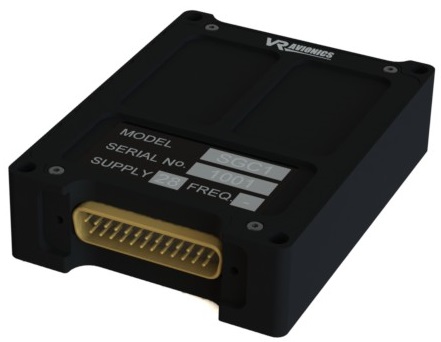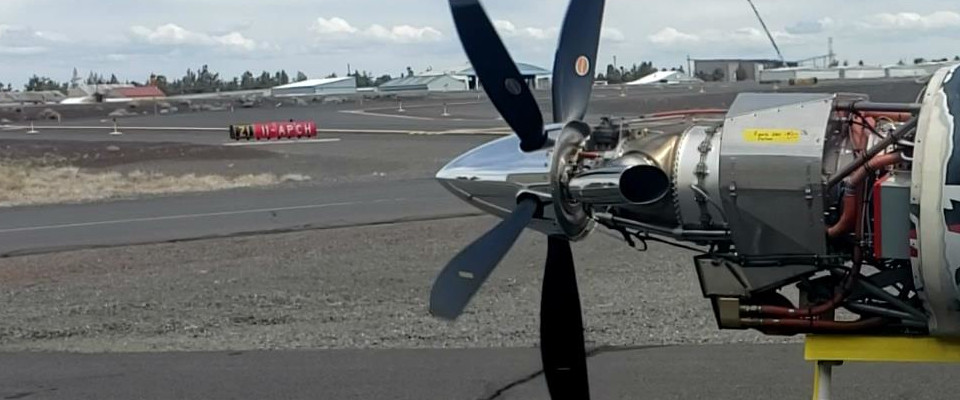


Safely and successfully start your gas-turbine engine through consistant regulation of peak hot section temperatures. Get more out of your batteries and have them last longer while making engine starts more trouble-free with improved repeatability. Let our SGC and TSLM units help you start your turboprop, turboshaft, or turbofan.
Have your generator produce reliable electrical power to your aircraft. Don't let recharging the battery hog or overload the generator after a start while ensuring your batteries are looked after by a proper charging profile to make them last longer. Unlock the benefits of Lithium battery technology including improved starting. Our SGC can help you with this and be a tool to diagnose various issues in an electrical system should they arise.
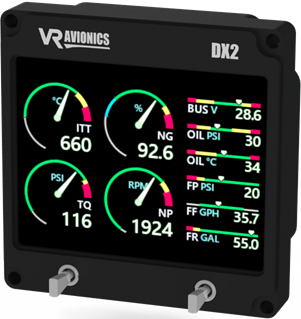
Maintaining fuel management situational awareness and remembering to switch tanks every so often can become demanding, especially when trying to follow ATC directives flying in busy airspace. Our FSM unit will not only switch tanks to maintain your airplane's lateral and/or longitudinal balance but can provide you with detailed oversight via our DX2 multifunction display.
When ice forms on your aircraft propeller blades, it not only decreases the thrust produced by them but creates an imbalance that increases vibration. Our PDC unit protects your propeller against such inadvertent icing encounters, quickly annunciates via simple annuciators (including G3X or other glass panels) and provide you with detailed oversight via our DX2 display.
Our DX2 will work with our TM1, TSLM, FSM, and PDC units to provide you with accurate and responsive engine, electrical, fuel, and de-ice systems
related cockpit instrumentation.
Our TGC will work with your G3X or other glass panels to realize speed gauges
including N1 and N2.

Autonomously run a small auxiliary power unit turboshaft engine from startup to shutdown. Our TEC unit will, at the proverbial touch of the button, automatically start your turbine and perform the required fuel control to maintain a set speed, all while continually providing you with operational gauges to oversee everything.
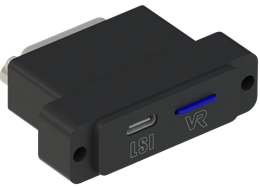
The digital nature of our products allow for accurate insight into system performance monitored, logged and/or reviewed through our SetView app typically using an LSI unit to thereby greatly increase the user's ability to validate an installation, troubleshoot problems, track trends and confirm performance.
Though not certified by any governing authority, we design our products to conform to relevant military and commercial aircraft standards. We believe it allows us to not only build safer and more robust products, but do so more readily, while keeping our solutions affordable.
All electrical equipent can either be solid-state or not and aircraft equipent is no exception. Solid-state components have proven more durable, reliable, and faster, so as a policy we strive to use them exclusively. That means avoidance of electro-mechanical relays or any other components with moving parts. Currently, except for our MCU boxes that may use electro-mechanical contactors, all our products are fully solid-state.
Being airborne equipment, the weight and size of our products are important. We have put considerable effort into making products that weigh less and are less bulky than our competitors, without compromising functionality or durability. Our products conform to the line-replaceable unit (LRU) concept. This makes them quick and easy to replace in the field.